


Január harmadik hétvégéjén Krakkóban került megrendezésre a Demdis és a Hungarian Youth Association közös projektjeként életre hívott dezinformációs és miszinformációs, a Visegrád 4-es országok fiataljait megcélzó interaktív konferencia, amelyen nagykövetként vettem részt 5 másik, Szlovákiából, Csehországból és Lengyelországból érkező társammal egyetemben.
A rendezvény témáját 2025 augusztusában közvélemény-kutatás alapján választották ki a szervezők, amely toronymagasan a szociális médiában terjedő álhírek és dezinformáció köré terelte a figyelmüket. Ezt követte ősszel két online kérdőív kitöltése, amelynek részeként elemzésre kerültek a különböző kitöltői korcsoportok dezinformációhoz való viszonyulásai, stratégiái és megküzdési mechanizmusai. A konferencia célja a közép-európai országok fiataljainak együtt ötletelése volt azzal kapcsolatban, hogy magánemberként mit tehetünk saját és környezetünk mentális egészsége, valamint az álhírek felismerése és ránk gyakorolt hatásának csökkentése érdekében.
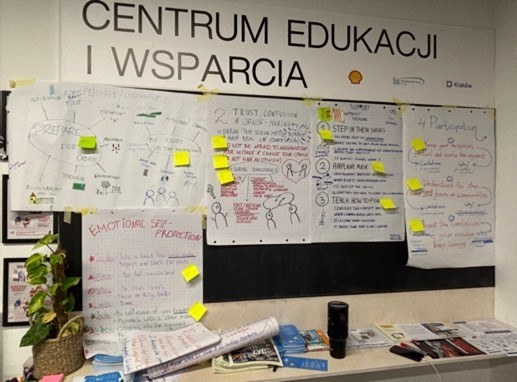
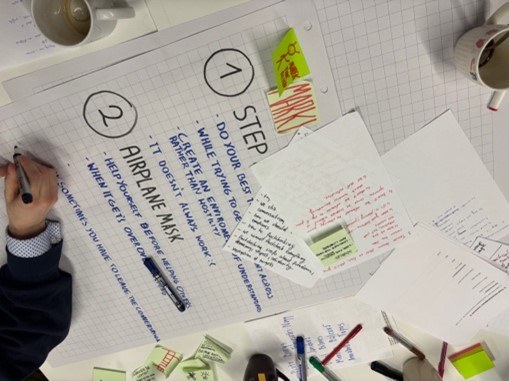
A konferencia szombati alkalmán Arletta Pérez Hernandez dezinformációról (tudatos álhírterjesztés) és miszinformációról (tudattalan álhírterjesztés) szóló prezentációjával nyitottuk a napot, aminek kapcsán elhelyeztük az alapfogalmak és kurrens kutatások, statisztikák helyét konkrét nagy-britanniai esetek kapcsán. Ezt követően 5 témakör szerint dolgoztuk fel témabeli tapasztalatainkat, melyek a következők voltak:
(1) a közbelépés stratégiái
(2) mi segít minket megbízhatónak maradni bizalmatlanság és túlterheltség esetén?
(3) mások segítése egészséges keretek között (agresszió nélkül)
(4) hogyan maradhatunk láthatóak és elkötelezettek, amikor egy vita terhessé válik számunkra?
(5) érzelmi önvédelem – hogyan maradjunk informáltak cinizmus és kiégés nélkül?
Ezen kérdések mentén törekedtünk a gyakorlatban alkalmazható megoldásokat javasolni, amelyeket a mindennapi szociális médiafogyasztásunk során is alkalmazni tudunk.
A témák kidolgozása során organikusan vált a csoportok immanens aspektusává az egyéni érzelmi és cselekvési korlátok tiszteletben tartása, az idősek szociális médiahasználatának edukatív támogatása, illetve a fact-checking fontossága a médiafogyasztás és doomscrolling során.
Vasárnap a szombati nap eredményeinek összegzése zajlott, amelyeknek kapcsán felmerültek a további, mikrokörnyezetünkön és közvetlen környezetünkön felüli, illetve a hagyományos médiaplatformokhoz kapcsolható fogyasztási szokásainkat érintő tudatos változtatások lehetősége is.
Nagyon hálás vagyok mindenkinek, aki ősszel kitöltötte a konferencia tematikájához kapcsolódó kérdőívet, ezzel lehetővé téve részvételemet. Valamint szeretném kifejezni hálámat a szervezőcsapatnak is, hogy 4 ország (és ennél is több nemzetiség) érdeklődő és társadalmi kérdésekben elkötelezett egyetemistáit (és középiskolásait) sikerült belevonniuk a dezinformációról szóló diskurzusba a krakkói élő fórum megrendezésével.
English version:
Report on the Youth Dialogue Forum
(on the topic of disinformation and misinformation)
(Kraków, Poland, 23–25 January 2026)
On the 3rd weekend of January, an interactive live forum on disinformation and misinformation targeting young people from the Visegrád Four countries was held in Kraków. The event was launched as a joint project of the members of Demdis (Slovakia) and the Hungarian Youth Association, and I participated as an ambassador together with five other ambassadors from Slovakia, the Czech Republic, and Poland.
The topic of the conference was selected by the organizers in August 2025 on the basis of a public opinion survey which overwhelmingly directed attention toward fake news and disinformation spreading on today’s social media. This was followed in the autumn by the completion of two online questionnaires, during which the attitudes, strategies, and coping mechanisms of different respondent age groups toward disinformation were analyzed.
The aim of the conference was to encourage youngsters from Central European countries to jointly reflect on what we, as private individuals, can do to protect our own and our communities’ mental health, as well as to improve the recognition of fake news and reduce its impact on us.
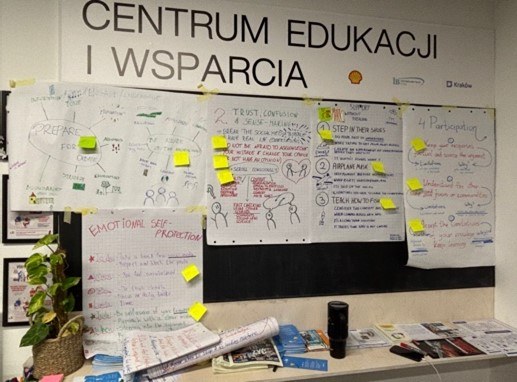
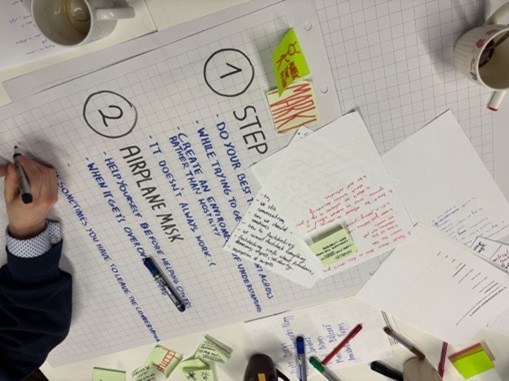
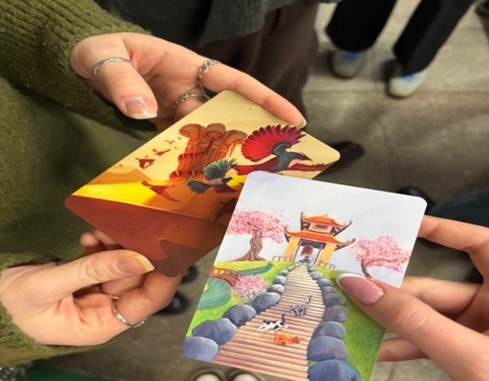
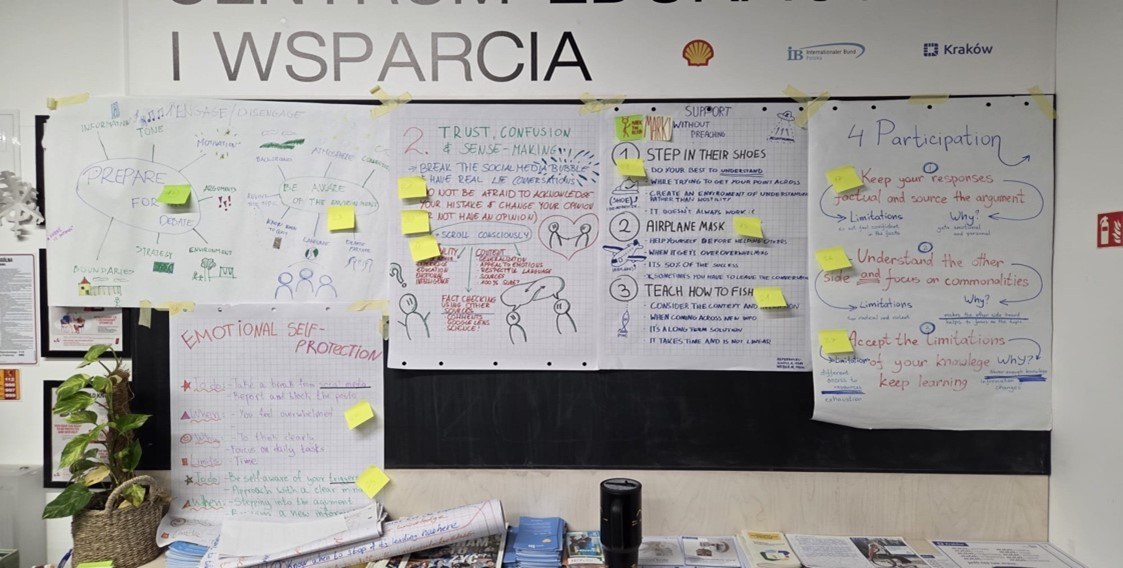
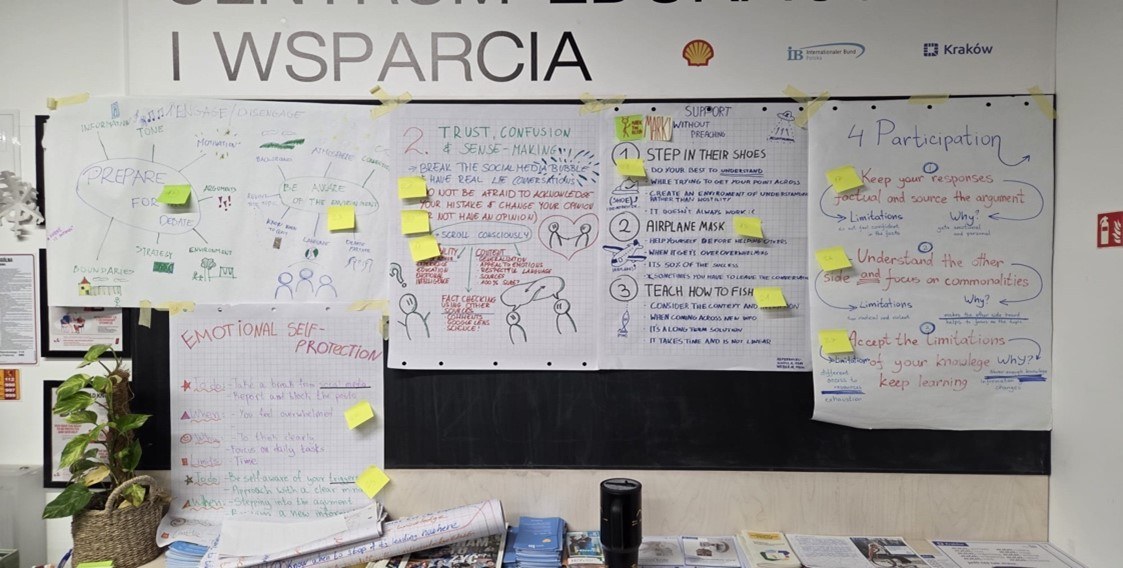
On Saturday, the conference opened with a presentation by Arletta Pérez Hernandez on disinformation (the deliberate spread of false information) and misinformation (which is the unintentional spread of false information), during which the foundations of key concepts and current research and statistics were contextualized through concrete case studies from the United Kingdom. After Pérez Hernandez’s presentation, the presentatives were selected into groups in 5 thematic areas based on our experiences with the following topics:
(1) Choosing Battles – When does stepping in help, and when does it cost more than it gives?
(2) Trust, Confusion, Sense-making – What helps us act responsibly when we’re unsure and overwhelmed?
(3) Supporting Others Without Preaching – How can we help without turning into the problem?
(4) Participation, Voice and Withdrawal – How can we stay visible and engaged when debate feels unsafe?
(5) Emotional Self-protection – How do we stay informed without becoming exhausted or cynical?
Along these lines, we aimed to propose practical solutions that can also be applied in our everyday social media consumption.
During the development of these topics, emotional self-protection and the respect of our own limits organically became an inherent aspect of the group discussions. Alongside the importance of educational support for older generations’ social media use and the role of fact-checking in media consumption and during doomscrolling.
On Sunday, the results of the previous day were summarized, during which the possibility of further conscious changes emerged — not only within our micro-environment, but also regarding our consumption habits related to traditional media platforms.
I am very grateful to everyone who completed the questionnaire related to the live forum’s topic previously in Autumn, thereby making my participation possible. I would also like to express my gratitude to the organizing team for successfully involving university students (and highschoolers as well) from 4 countries ( including even more nationalities) who are interested in and committed to social issues, by organizing the live forum on disinformation in Kraków.

Kövess minket
Minden jog fenntartva © 2022