


(Article in Hungarian – read the English version below)
Miben ragadható meg egy kortárs folklór interpretáció a tikTokos creepypastákon keresztül? Hogyan jelennek meg a női szellemek a köztársaságkori Kína rendőrségi jelentéseiben? – csak kettő az International Conference of Young Folklorists (továbbiakban: YOFO) 15., jubileumi konferenciáján előadott folklórkutatások kérdései közül.
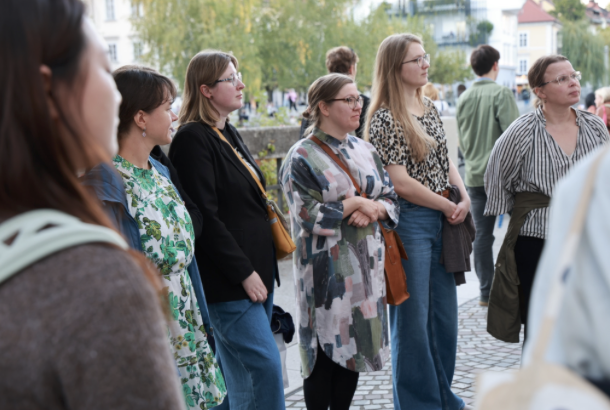
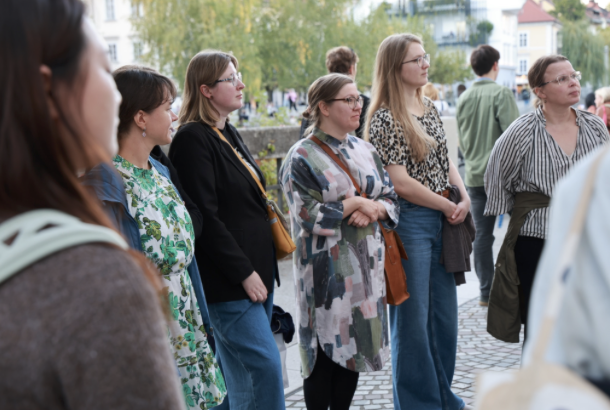
A YOFO szervezőbizottsága hagyományaiktól eltérően idén nem máshol, mint a Ljubljanai Egyetem Néprajz és Kulturális Antropológia Tanszékén rendezte meg éves, fiatal folkloristákat megcélzó háromnapos konferenciasorozatát 2026. október 1–3 között. A konferencia a Transcending Boundaries, Connecting Worlds címet kapta, a transzcendens folklórjelenségek és alternatív világok/valóságok kutatásainak bemutatására. A háromnapos konferenciát Prof. Mojca Schlamberger Brezar, a Ljubljanai Egyetem Bölcsészettudományi Karának dékánja, Assoc. prof. Mateja Habinc, a Néprajzi és Kulturális Antropológia Tanszék intézetvezetője, valamint Prof. Mirjam Mencej, az International Society for Folk Narrative Research elnöke nyitotta meg. A konferencia résztvevői 18 alkategóriában hallgathatták meg a kutatótársak előadásait, amelyre Kínától egészen Andalúziáig érkeztek előadók és hallgatóság egyaránt.
Ljubljana nemcsak a legcsodálatosabb európai fővárosok egyike, hanem néprajzi érdeklődésem kezdetének helyszíne is. Ettől függetlenül, vagy éppen ezért szorongással érkeztem a konferenciasorozatra: hogyan lehet egy személyes jogi (és elmegyógyintézeti) dokumentációra alapozó, kuruzslásról szóló hallgatói kutatást tudományos plénum és top tier kortársaim előtt prezentálni? Noha mindig is élvezettel olvastam Mihail Bahtyin és Povedák István tanulmányait, a folklór mégis örökké a középső gyermek szerepébe süppedt tanulmányaim során.
Bizonytalanságom és saját belső kételyeim Kaarina Koski “Belief Tradition in Social Media: Knowledge, Entertainment, and Affect” című plenáris előadásán foszlottak széjjel a kortárs folklór kutatási irányaival kapcsolatban. Ahogyan az előadó TikTok és YouTube kutatási korposzán keresztül megmutatta számunkra: a szociális médián terjedő szellemtörténetek, creepypasták és legendák saját személyes fogyasztói folklórigényünket, nyitottságunkat prezentálják a transzcendens világ és a hit keresése felé. Az elmúlt 20 évben népszerű paranormális kutatóműsorok ezenfelül a hit és szórakozás/szórakoztatás szembeállítását kérdőjelezték meg Koski előadásában.
Sokat jelentett számomra Yifan Zhang, a Tartui Egyetem hallgatójának köztársaság korabeli Kína női szellemeiről szóló prezentációja, ami egy – számomra legalábbis – idegen kultúra transzcendens nőképét segített megérteni. Az 1930-as években Kínában lejegyzett szellemtörténetek java része a kihallgatott férfi alany szemszögét privilegizálja a női szellemek motivációival szemben, akik jellemzően hűségesek maradnak földi szerepeikhez, még a későbbi kísértés során is.
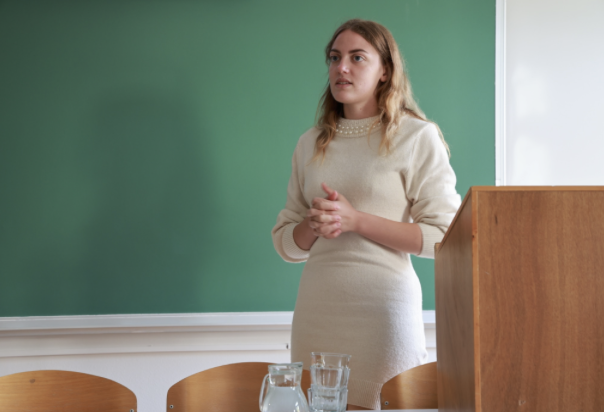
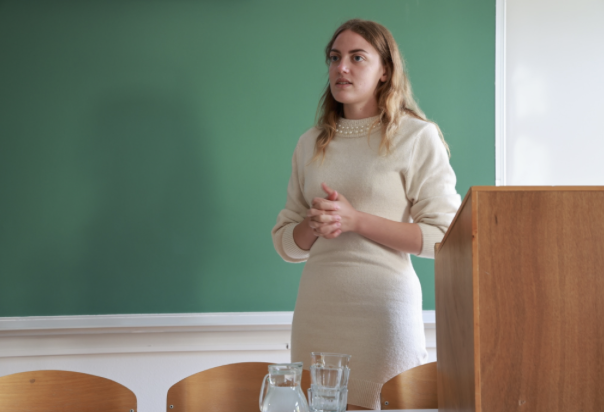
Saját előadásomat a CEU által gondozott Bridging Europe alprojekt keretében végzett mentorált kutatásom háttérkörülményeiből és eddigi fejleményeiből adtam elő: közel egyéves kutatási témám két, a Kádár-korszakban élő kuruzsló asszony gyógyítási/kuruzsló tevékenysége.
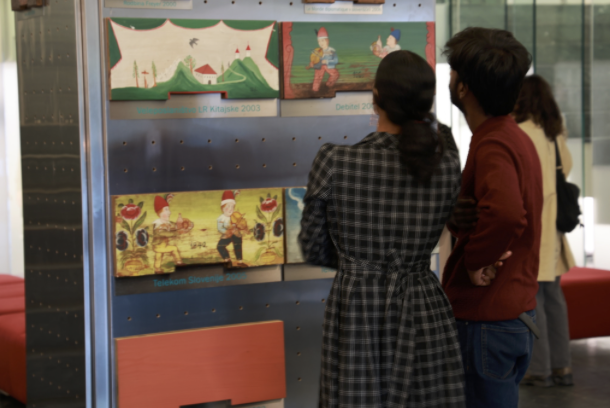
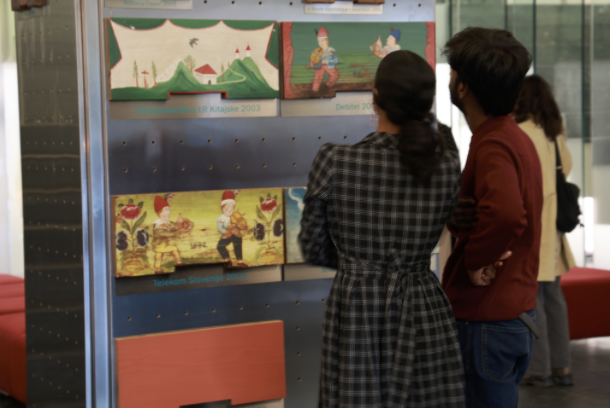
A háromnapos esemény további programjai voltak a Szlovén Néprajzi Tanszék tárlatvezetése, valamint egy storytelling performance megtekintése Ljubljana híres art- és hippinegyedében, a “Metelkova city” -ben.
Köszönöm szépen a résztvevő egyetemek, különösen az eseménynek helyszínt adó Ljubljanai Egyetem Néprajz és Kulturális Antropológiai Tanszékének a konferencia megrendezését, és az élményt, amely által közelebb kerülhettem ehhez a csodálatos és nagyon is élő tudományhoz.
Fotók: Jana Rajh Plohl
English version of the article:
How can a contemporary folklore interpretation be captured through TikTok creepypastas? How do female ghosts appear in police reports from the “Republican China” era? – These are just two of the questions explored by folklore research presented at the 15th jubilee International Conference of Young Folklorists (hereinafter: YOFO).
Breaking with the traditions, the YOFO organizing committee held its annual folklore conference series aimed at young folklorists at the Department of Ethnology and Cultural Anthropology at the University of Ljubljana between October 1–3, 2026. The conference titled Transcending Boundaries, Connecting Worlds was focusing on the presentation of research into transcendent folklore phenomena and alternative worlds/realities. The three-day event was opened by Prof. Mojca Schlamberger Brezar, Dean of the Faculty of Arts at the University of Ljubljana, Assoc. prof. Mateja Habinc, Head of the Department of Ethnology and Cultural Anthropology, and Prof. Mirjam Mencej, President of the International Society for Folk Narrative Research. Participants could listen to presentations from their fellow junior researchers across 18 subcategories with presenters and audiences arriving from as far as China to Andalusia.
Ljubljana is not only one of the most wonderful European capitals but also the “birthplace” of my interest in Ethnology. Regardless of this – or perhaps precisely because of it – I arrived at the conference with a sense of anxiety: how could a student research project on quackery, based on personal legal (and asylum) documentation be presented before a scientific plenum and top-tier peers? Although I have always enjoyed reading the studies of Mikhail Bakhtin and István Povedák, folklore has always sunk into the role of the “middle child” throughout my studies.
My uncertainty and inner doubts dissolved during Kaarina Koski’s plenary lecture, titled "Belief Tradition in Social Media: Knowledge, Entertainment, and Affect," regarding the research directions of contemporary folklore. As the presenter demonstrated through her TikTok and YouTube research corpus: ghost stories, creepypastas, and legends spreading on social media present our own personal needs in consuming folklore and our openness toward the transcendent world and the search for faith. Furthermore, Koski’s presentation questioning the opposition between belief and entertainment through the lens of paranormal research shows that it has gained popularity over the past 20 years.
The demonstration held by Yifan Zhang, PhD student of University of Tartu, on female ghosts in Republican-era China meant a great deal to me, helping me understand the transcendent image of women in a culture that was mainly unfamiliar for me. Zhang stated that most of the ghost stories recorded in China during the 1930s favor the perspective of the interrogated male subject over the motivations of the female ghosts, who typically remain faithful to their earthly roles even after death, during their hauntings.
I delivered my own presentation on the background circumstances and progress of my mentored research conducted within the framework of the Bridging Europe subproject managed by CEU: my research topic of nearly a year focuses on the healing/quackery activities of two women practicing alternative medicine during the Kádár era.
Additional programs of the event included a guided tour of the Slovene Ethnographic Department as well as a storytelling performance in Ljubljana's famous art and hippie district, "Metelkova Mesto" (Metelkova City).
I would like to express my gratitude to the participating universities, especially the Department of Ethnology and Cultural Anthropology at the University of Ljubljana for hosting the event, and for the experience that allowed me to grow closer to this wonderful and very much alive discipline called folklore.
Photos: Jana Rajh Plohl

Kövess minket
Minden jog fenntartva © 2022